June 7, 2026
Contact Lens Safety: Keep Your Eyes Healthy
By Dr. Austin Andersen, MD — Ophthalmologist
Medically reviewed by Dr. Austin Andersen, MD
Clarity You Can Trust: Prioritizing Contact Lens Safety
Contact lenses offer unparalleled freedom and clear vision for millions. They eliminate the need for glasses, provide a wider field of view, and are a popular choice for active lifestyles. However, this convenience comes with a critical responsibility: maintaining stringent contact lens safety practices. At Professional Eyecare Oak Park, we believe eye care should be clear, not confusing. Our commitment to precision and human-centered care extends to empowering you with the knowledge to keep your eyes healthy while enjoying the benefits of contact lenses.
Ignoring proper contact lens care can lead to serious eye complications, ranging from discomfort and irritation to severe infections that can threaten your vision. This comprehensive guide is designed to provide you with intelligent, actionable advice on how to ensure healthy contact lens wear, aligning with our brand's promise of clarity and trust. By understanding and adhering to these guidelines, you can significantly reduce risks and continue to experience the world with optimal vision.
The Foundation of Safety: Hand Hygiene and Lens Care
The vast majority of contact lens-related issues stem from improper hygiene. Your hands are a primary vector for bacteria and other microorganisms. Every interaction with your lenses requires meticulous attention to cleanliness.
The Golden Rule: Wash Your Hands Thoroughly
- Before Touching Lenses: Always wash your hands thoroughly with soap and water before handling your contact lenses. This includes insertion, removal, and cleaning.
- Dry Completely: Use a clean, lint-free towel to dry your hands completely. Residual water can carry microorganisms that are harmful to your eyes and can adhere to your lenses.
- Avoid Lotions and Creams: Ensure your hands are free of lotions, creams, or oil-based soaps, as these can leave a film on your lenses, causing irritation and blurred vision.
Mastering Your Contact Lens Solution
Not all solutions are created equal, and using the wrong type or an expired product can compromise your eye health.
- Use Only Recommended Solutions: Always use the contact lens solution recommended by your optometrist in Oak Park. Saline solution is for rinsing only, not for cleaning or disinfecting. Tap water, distilled water, or saliva should never be used, as they contain microorganisms that can cause severe infections.
- Fresh Solution Every Time: Never "top off" old solution with new solution. Always empty your lens case completely and refill it with fresh disinfecting solution each time you store your lenses. Reusing solution significantly reduces its disinfecting power and increases the risk of contamination.
- Check Expiration Dates: Pay close attention to the expiration dates on your lens solution bottles. Expired solutions lose their efficacy, leaving your lenses inadequately disinfected.
The Critical Role of Your Lens Case
Your lens case, if not properly maintained, can become a breeding ground for bacteria.
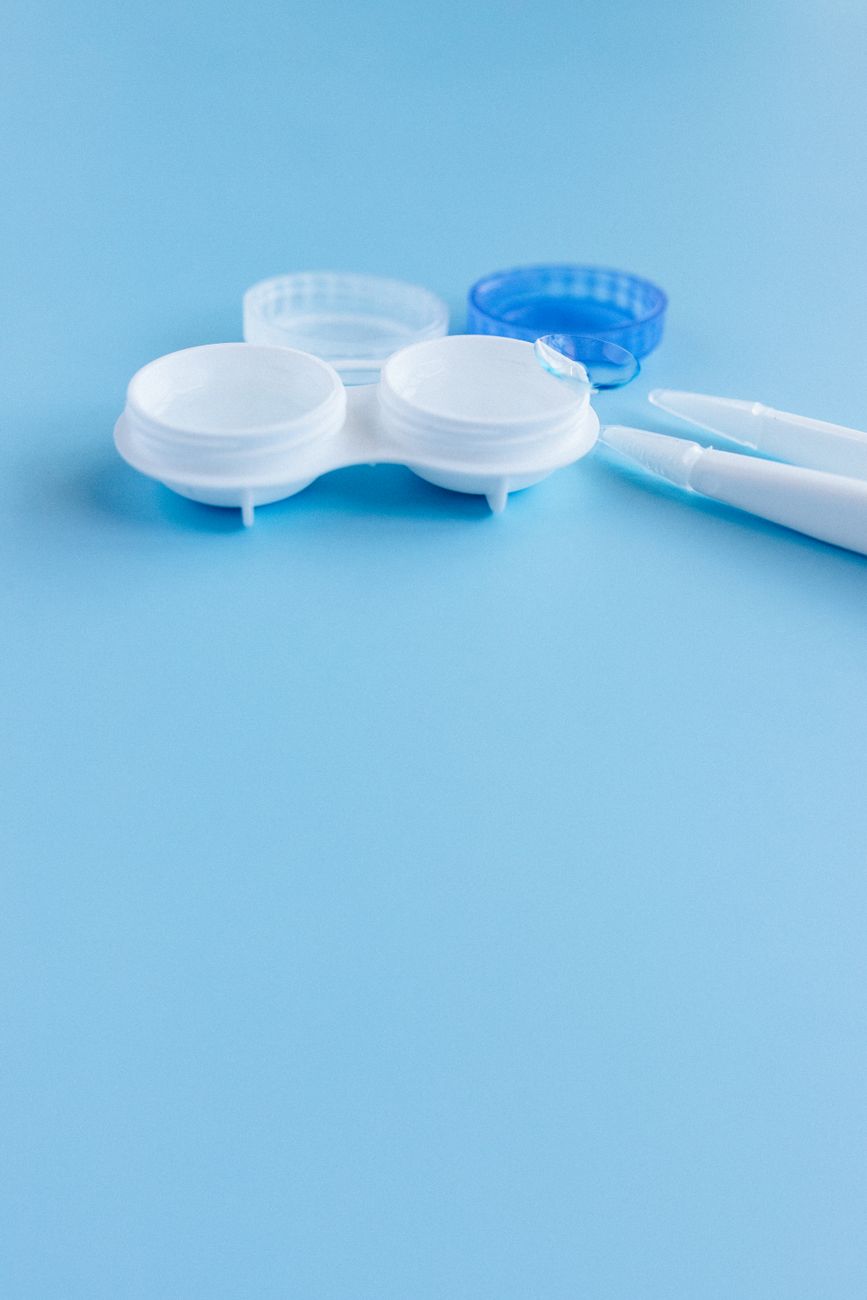
- Clean and Air Dry: After each use, empty your lens case, rinse it with fresh contact lens solution (never water!), and leave it open to air dry. This prevents biofilm buildup.
- Replace Regularly: Your lens case should be replaced every one to three months, or immediately if it's cracked or damaged. Old cases can harbor bacteria even with diligent cleaning.
Understanding Your Lenses: Wear Schedule and Replacement
Your contact lenses are medical devices, and their safe use is dictated by a specific wear schedule and replacement frequency prescribed by your eye care professional. Adhering to these guidelines is paramount for healthy contact lens wear.
Adhering to Your Prescribed Wear Schedule
Contact lenses are designed for specific durations of wear, whether daily, bi-weekly, or monthly. Exceeding these limits can lead to serious complications.
- Daily Disposables: These lenses are designed for one-time use. They should be inserted in the morning and discarded before bed. Never attempt to clean or reuse daily disposables.
- Bi-Weekly/Monthly Lenses: These lenses require daily cleaning and disinfection and must be replaced according to their prescribed schedule. Wearing them longer than recommended reduces oxygen flow to your eyes and increases the risk of infection and irritation.
The Importance of Timely Lens Replacement
Even with meticulous cleaning, proteins, lipids, and other deposits from your tears can accumulate on your lenses over time. These deposits can reduce comfort, clarity, and oxygen permeability, making your eyes more susceptible to infection.
- Set Reminders: Use calendar reminders or apps to help you remember when to replace your lenses. Consistency is key to maintaining optimal eye health.
- Always Have Backups: Keep a spare pair of lenses and solution on hand so you're not tempted to extend the life of an old pair if you run out.
Never Sleep in Your Lenses (Unless Prescribed)
Sleeping in contact lenses dramatically increases your risk of eye infections, including severe conditions like microbial keratitis. When your eyes are closed, the oxygen supply to your cornea is significantly reduced, creating an ideal environment for bacteria to thrive.
- Extended Wear Lenses: Some lenses are specifically designed for extended wear, allowing for overnight use. However, even with these, the risk of infection is higher than with daily wear lenses. Only wear extended wear lenses overnight if explicitly prescribed and monitored by your eye care professional.
- When in Doubt, Take Them Out: If you're unsure whether your lenses are approved for overnight wear, always remove them before sleeping.
Common Mistakes and How to Avoid Them
Even with the best intentions, common habits can inadvertently compromise your contact lens safety. Being aware of these pitfalls is the first step toward avoiding them.
Using Tap Water or Saliva
As mentioned, tap water and saliva contain bacteria and other microorganisms (like Acanthamoeba) that are harmless to swallow but can cause devastating eye infections if introduced to your lenses or eyes. Never rinse, clean, or store your lenses in anything but sterile, FDA-approved contact lens solution.
Extending Lens Life Beyond Recommendation
It might seem like a cost-saving measure, but wearing lenses past their prescribed replacement schedule is a false economy that can lead to significant health risks. Overused lenses break down, accumulate deposits, and become less breathable, severely increasing the chance of infection and inflammation.
Ignoring Discomfort or Redness
Your eyes are excellent communicators. Any persistent discomfort, redness, blurred vision, or excessive tearing is a sign that something is wrong. Do not try to "power through" these symptoms. Remove your lenses immediately and contact your eye care provider. If you experience dry eye symptoms frequently, discuss solutions with your optometrist.
Swimming or Showering with Lenses
Water, whether from a pool, lake, ocean, or even your shower, is not sterile. Wearing contact lenses while swimming or showering exposes your eyes to a host of microorganisms that can get trapped under the lens and cause severe infections. If you must wear lenses during water activities, consider daily disposables and discard them immediately afterward, or wear tight-fitting goggles.
Recognizing Warning Signs: When to Seek Professional Help
Even with the most diligent care, complications can arise. Knowing when to seek immediate professional help is crucial for preserving your vision. Remember the acronym "RED FLAGS":
- Redness: Persistent or increasing redness of the eye.
- Eye Pain: Any sudden, severe, or persistent pain in the eye.
- Discharge: Any unusual discharge from the eye, watery or thick.
- Flashing Lights/Floaters: New onset or increase in flashes of light or floaters.
- Light Sensitivity: Increased sensitivity to light (photophobia).
- Abnormal Vision: Sudden decrease in vision, blurriness, or distorted vision.
- Gritty Sensation: Feeling like something is constantly in your eye.
- Swelling: Swelling of the eyelids or around the eye.
If you experience any of these symptoms while wearing contact lenses, remove them immediately and contact Professional Eyecare Oak Park without delay. Do not wait for your symptoms to worsen. Early intervention can make a significant difference in the outcome of an eye infection or complication.
The Role of Your Optometrist in Contact Lens Safety
Your optometrist is your most valuable partner in ensuring healthy contact lens wear. Professional Eyecare Oak Park combines clinical excellence with intelligent systems to provide patient-first eye care, making your safety our priority.
- Comprehensive Eye Exams: Regular comprehensive eye exams are not just for updating your prescription. They are essential for monitoring the health of your eyes, ensuring your contact lenses fit properly, and detecting any early signs of complications.
- Proper Fitting and Material Selection: Not all eyes are the same, and not all contact lenses are suitable for every individual. Your optometrist will meticulously measure your eyes and assess your tear film to prescribe lenses that offer the best fit, comfort, and oxygen permeability for your unique needs. This precision is vital for long-term eye health.
- Addressing Complications: If you experience issues like dry eyes, allergies, or recurrent infections, your optometrist can diagnose the underlying cause and recommend appropriate treatments or alternative lens options.
- Staying Up-to-Date: The field of optometry is constantly evolving. Your eye care professional stays informed about the latest advancements in contact lens technology and safety guidelines, ensuring you receive the most current and effective care.
Clarity You Can Trust: Your Partner in Healthy Contact Lens Wear
Contact lenses offer incredible benefits, but their safe use requires a partnership between you and your eye care provider. By diligently following proper hygiene, adhering to wear schedules, and promptly addressing any concerns, you are taking proactive steps to protect your vision. At Professional Eyecare Oak Park, we are dedicated to providing you with intelligent, transparent, and human-centered care, ensuring you always experience "Clarity You Can Trust."
Don't compromise on your eye health. If you wear contact lenses or are considering them, ensure you have the expert guidance you need. Schedule an appointment with the experienced optometrists at Professional Eyecare Oak Park today for a comprehensive eye exam and personalized contact lens consultation. Let us help you maintain healthy, comfortable vision for years to come.
Frequently Asked Questions
Why is proper hand hygiene so important when handling contact lenses?
Hands can carry many germs and bacteria. Touching your lenses with unwashed hands can transfer these microorganisms directly to your eyes, potentially leading to irritation or serious infections. Always wash your hands thoroughly with soap and water before touching your lenses.
What are some common mistakes people make with contact lens care?
Many people try to extend the life of their lenses beyond the recommended wear schedule or use tap water to rinse or store their lenses. Another common mistake is not replacing contact lens cases frequently enough. These practices significantly increase the risk of eye complications.
How often should I have my eyes checked if I wear contact lenses?
Regular eye exams are crucial for contact lens wearers to ensure your lenses are still fitting properly and that your eyes remain healthy. Your eye doctor can monitor for any potential issues and update your prescription as needed. It's best to schedule an annual comprehensive eye examination.
Have Questions About Your Eye Health?
Schedule an appointment with our expert team today.
Book an Appointment