June 12, 2026
Early Detection For Childrens Vision Problems
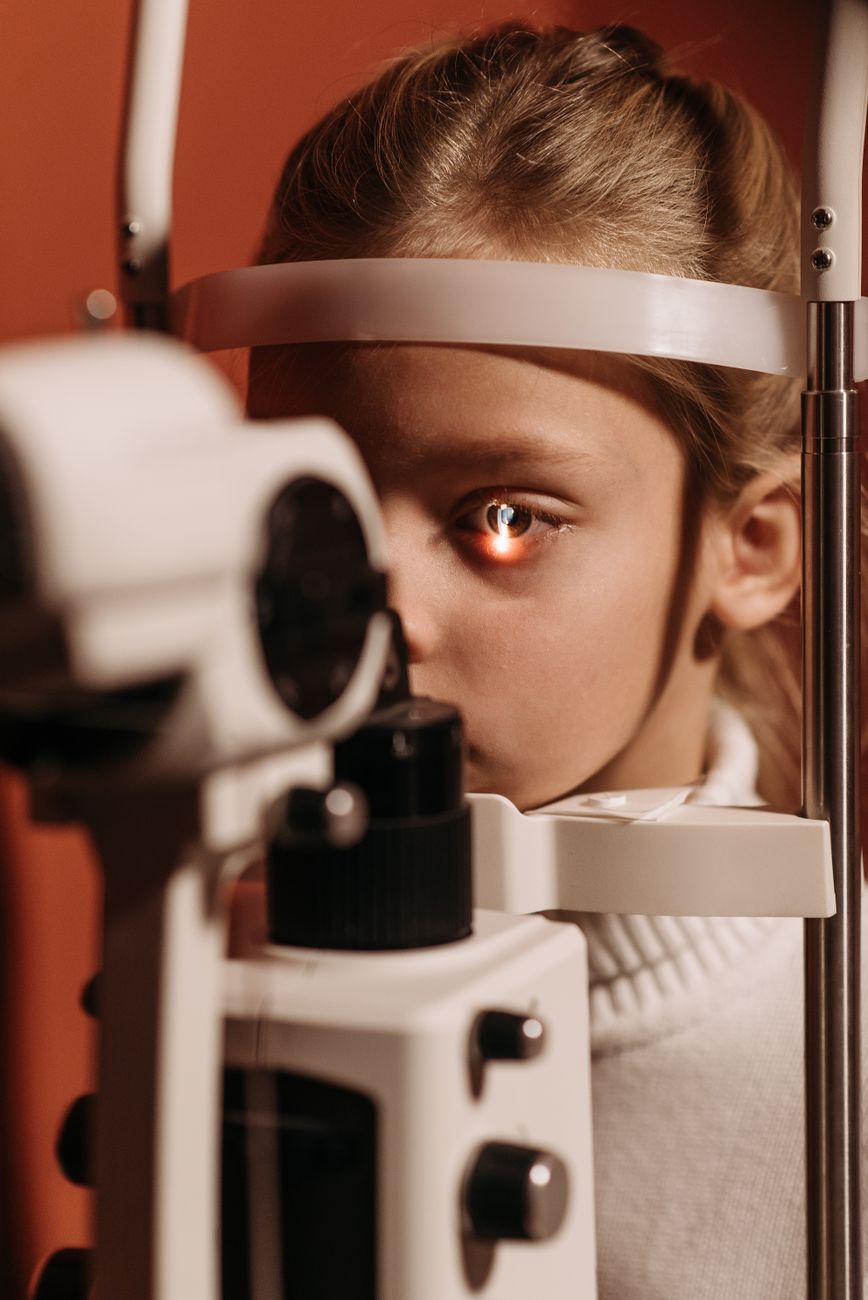
The Critical Window: Why Early Detection for Children's Vision Problems is Paramount
For parents, a child's health and development are top priorities. While we often focus on nutrition, physical activity, and academic progress, the importance of healthy vision can sometimes be overlooked until a problem becomes obvious. Yet, a child's vision is intricately linked to their ability to learn, play, and interact with the world around them. Professional Eyecare Oak Park believes that clarity begins early, and the early detection of children's vision problems is not just beneficial—it's absolutely critical for their long-term well-being.
Childhood is a period of rapid development, and this includes the visual system. From birth through the early school years, the eyes and brain learn to work together to process visual information. If a vision problem is present during this crucial developmental window and goes uncorrected, it can lead to permanent vision impairment, developmental delays, and academic struggles that are much harder to address later in life. Our commitment to intelligent efficiency and human-centered care means empowering parents with the knowledge and resources to ensure their children receive the best possible start in vision health.
Understanding Childhood Vision Development
Vision isn't something children are born with fully formed; it's a skill they learn. Over the first few years of life, the brain builds complex neural pathways that allow for depth perception, color recognition, tracking moving objects, and focusing at various distances. This process is highly sensitive to input. If one eye isn't sending clear signals to the brain, or if the eyes aren't working together properly, the brain may suppress the weaker or misaligned eye, leading to a condition known as amblyopia, or 'lazy eye.'
This developmental plasticity, while amazing, also highlights the vulnerability of a child's vision. The brain prioritizes clear input. If it consistently receives blurry or conflicting images from one eye, it can 'turn off' or ignore the signals from that eye, even if the eye itself is structurally sound. This is why early intervention is so vital: it allows us to correct problems while the brain is still highly adaptable, before these pathways become permanently established.
Common Childhood Vision Problems to Be Aware Of
Many vision conditions can affect children, some more common than others. Understanding these can help parents recognize potential signs and seek professional care promptly.
Refractive Errors
These are the most common vision problems and are often easily corrected with eyeglasses. They occur when the eye doesn't focus light precisely on the retina.
- Myopia (Nearsightedness): Distant objects appear blurry, while near objects are clear. This is becoming increasingly prevalent in children.
- Hyperopia (Farsightedness): Near objects appear blurry, while distant objects are clear. Mild hyperopia is normal in young children, but excessive amounts can cause eye strain or amblyopia.
- Astigmatism: Caused by an irregularly shaped cornea or lens, leading to distorted or blurry vision at all distances.
Amblyopia (Lazy Eye)
Amblyopia is a decrease in vision in one eye due to the brain and eye not working together properly. It's the leading cause of vision loss in children. It often results from untreated refractive errors, strabismus, or other conditions that prevent clear vision in one eye during the critical developmental period. The brain essentially 'shuts off' the weaker eye to avoid confusion.
Strabismus (Crossed Eyes or Walleye)
Strabismus is a condition where the eyes do not align properly and point in different directions. One eye may turn inward, outward, upward, or downward. This can lead to double vision, or if the brain suppresses one eye, amblyopia.
Other Important Conditions
- Color Vision Deficiency (Color Blindness): More common in boys, this is an inherited condition where individuals have difficulty distinguishing certain colors. While not treatable, early diagnosis can help children adapt.
- Ptosis: A drooping eyelid that can obstruct vision and potentially lead to amblyopia.
- Congenital Cataracts: Clouding of the lens present at birth, which can severely impair vision if not treated early.
- Retinopathy of Prematurity (ROP): A disease that occurs in premature babies, where abnormal blood vessels grow in the retina, potentially leading to retinal detachment and blindness. Regular screening for at-risk infants is crucial.
Why Early Detection Matters: Beyond Just Seeing Clearly
The impact of uncorrected vision problems extends far beyond simply not seeing clearly. It can profoundly affect a child's overall development and quality of life.
- Learning and Academic Performance: Approximately 80% of what a child learns in school is presented visually. Uncorrected vision problems can make reading difficult, cause fatigue during schoolwork, and lead to misinterpretations of visual cues, often mistaken for learning disabilities or behavioral issues.
- Physical Development and Coordination: Good vision is essential for developing fine motor skills, hand-eye coordination, and balance. Children with poor vision may struggle with sports, playground activities, or even simple tasks like catching a ball, impacting their confidence and social interaction.
- Social and Emotional Well-being: Frustration from not being able to see clearly can lead to withdrawal, low self-esteem, and behavioral problems. Children may avoid activities that require good vision, further isolating them from peers.
- Long-Term Vision Health: Many childhood vision problems, especially amblyopia, become much harder, if not impossible, to treat effectively after the visual system has matured, typically by age 7 or 8. Early intervention offers the best chance for a full and lasting correction.
Signs and Symptoms Parents Should Look For
Children often don't complain about vision problems because they don't know what 'normal' vision is. They adapt to what they see. This makes parental observation and regular professional eye exams incredibly important. Here are key signs and symptoms that warrant an immediate visit to an optometrist:
Behavioral Cues
- Squinting, Head Tilting, or Covering One Eye: These are attempts to improve focus or reduce double vision.
- Holding Objects Very Close: Especially when reading, drawing, or using screens.
- Frequent Eye Rubbing: Can indicate eye strain or fatigue.
- Short Attention Span: Especially during visually demanding tasks.
- Avoiding Reading or Close Work: Due to discomfort or difficulty.
- Difficulty with Hand-Eye Coordination: Clumsiness, difficulty catching or hitting a ball.
- Complaints of Headaches or Eye Strain: Especially after school or close work.
- Poor Academic Performance: Particularly in subjects requiring reading or visual tasks.
Physical Signs
- Misaligned Eyes: One eye turning in (esotropia), out (exotropia), up (hypertropia), or down (hypotropia). This is a clear sign of strabismus.
- Redness, Tearing, or Discharge: Can indicate infection, allergies, or blocked tear ducts.
- Sensitivity to Light (Photophobia): Can be a symptom of various eye conditions.
- Drooping Eyelid (Ptosis): Can block vision.
- White Pupil (Leukocoria): A serious sign that requires immediate medical attention, potentially indicating a cataract or other serious condition.
The Indispensable Role of Regular Pediatric Eye Exams
While parental vigilance is crucial, it cannot replace a comprehensive pediatric eye exam. A professional optometrist has the tools and expertise to detect subtle vision problems that parents might miss, even in children who show no obvious symptoms. At Professional Eyecare Oak Park, we employ modern, data-forward techniques to ensure a precise and comfortable experience for our youngest patients.
When Should Children Have Their Eyes Examined?
The American Optometric Association (AOA) recommends the following schedule for comprehensive eye exams:
- Infants (6-12 months): The first comprehensive eye exam should be performed between 6 and 12 months of age. This exam checks for proper eye alignment, movement, and the absence of serious conditions like congenital cataracts or tumors.
- Preschoolers (3-5 years): Children should have another comprehensive eye exam between 3 and 5 years of age. This exam checks for amblyopia, strabismus, and refractive errors that can impact early learning.
- School-Aged Children (6-18 years): Children should have a comprehensive eye exam annually or bi-annually, depending on their individual needs and risk factors. This ensures that any vision changes are caught and corrected promptly to support academic success and overall development.
What Happens During a Pediatric Eye Exam?
Pediatric eye exams are tailored to the child's age and developmental stage. Our approach is human-centered and calm, ensuring children feel comfortable and engaged.
- For Infants and Toddlers: We use objective tests that don't require verbal responses. This includes observing how their eyes track objects, checking pupil responses, and using specialized instruments to measure refractive errors without direct feedback. We also look for signs of strabismus and other structural abnormalities.
- For Preschoolers: We introduce age-appropriate charts with pictures or symbols (like the 'E' chart where children point in the direction of the letter's arms). We also assess depth perception, color vision, and eye muscle coordination.
- For School-Aged Children: These exams are similar to adult eye exams but often involve more interactive and engaging methods. We measure visual acuity, check for refractive errors, assess eye teaming and focusing skills, and examine the overall health of the eyes.
It's important to differentiate between a basic vision screening (often performed at school or by a pediatrician) and a comprehensive eye exam. Screenings are helpful for identifying *potential* problems but can miss up to 50% of vision issues. A comprehensive eye exam performed by an optometrist is the only way to accurately diagnose and manage all aspects of a child's vision health.
Treatment Options and Interventions
Once a vision problem is detected, a range of effective treatments are available, especially when initiated early.
- Eyeglasses or Contact Lenses: For refractive errors like myopia, hyperopia, and astigmatism, prescription eyewear is the most common and effective solution. We offer modern, comfortable, and durable options suitable for active children.
- Vision Therapy: This is a customized program of visual exercises designed to improve specific visual skills, such as eye teaming, focusing, and tracking. It's particularly effective for conditions like strabismus and amblyopia.
- Patching or Atropine Drops: For amblyopia, patching the stronger eye or using atropine drops in the stronger eye can force the brain to rely on and strengthen the weaker eye. This is most effective when started early.
- Surgery: In rare cases, such as severe strabismus that doesn't respond to other treatments, congenital cataracts, or other structural issues, surgical intervention may be necessary.
Our intelligent efficiency means we guide you through the most effective and least invasive treatment paths, ensuring your child receives precision care with minimal friction.
Proactive Steps for Parents Beyond the Exam Room
While professional eye care is paramount, parents can also take proactive steps to support their child's vision health:
- Promote Outdoor Play: Studies suggest that spending time outdoors can help reduce the risk of myopia progression.
- Manage Screen Time: Encourage the 20-20-20 rule: every 20 minutes, look at something 20 feet away for 20 seconds. Ensure good lighting and proper posture when using digital devices.
- Encourage a Healthy Diet: Foods rich in vitamins A, C, E, and omega-3 fatty acids are beneficial for eye health.
- Ensure Adequate Lighting: When reading or doing close work, make sure there is sufficient, glare-free lighting.
- Observe and Communicate: Be observant of any changes in your child's behavior or physical appearance related to their eyes. Don't hesitate to discuss any concerns with your optometrist.
Clarity You Can Trust: Prioritizing Your Child's Vision
At Professional Eyecare Oak Park, we believe that every child deserves the clearest possible start in life. Early detection of children's vision problems is a cornerstone of this belief, aligning perfectly with our values of precision, human-centered care, and continuous improvement. By being proactive and ensuring regular comprehensive eye exams, parents can provide their children with the foundation for a lifetime of clear vision, academic success, and confident engagement with the world.
Don't wait for a problem to become obvious. Take the proactive step to protect your child's precious eyesight. Schedule a comprehensive pediatric eye exam today and experience the ProEye difference – where modern optometry meets unparalleled care. Contact us to book your appointment and ensure your child benefits from the clarity you can trust.
Have Questions About Your Eye Health?
Schedule an appointment with our expert team today.
Book an Appointment