June 21, 2026
Recognizing Signs of Cataracts Early on
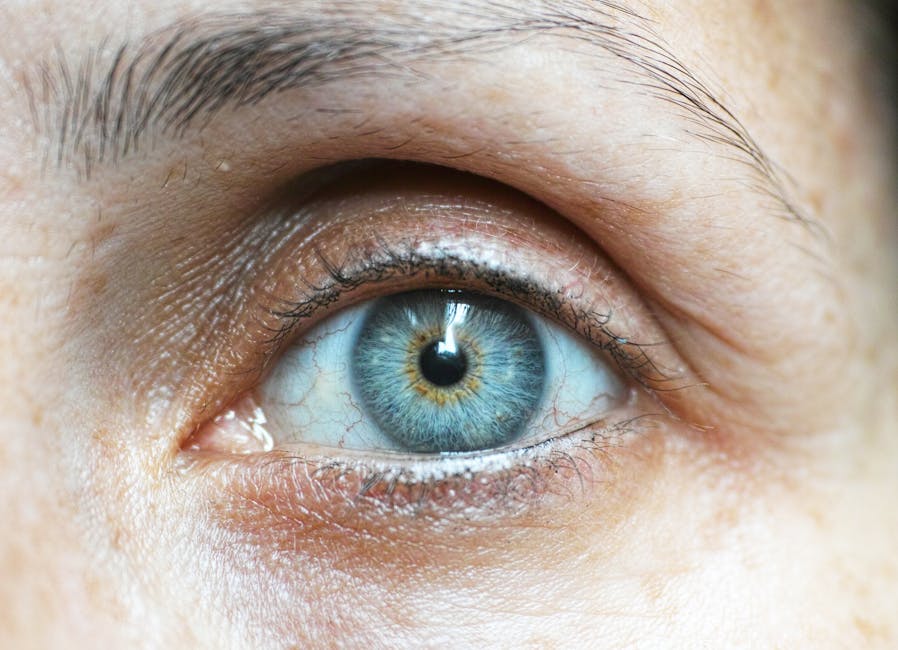
Understanding Cataracts: Clarity You Can Trust
Cataracts are a common age-related eye condition that can gradually cloud your vision. While often associated with aging, understanding the early signs is key to maintaining your sight and quality of life. At Professional Eyecare Oak Park, we believe in proactive, patient-first care, helping you recognize and address changes in your vision with clarity and confidence. Our goal is to provide intelligent, efficient eye care that keeps your vision clear, not confusing.
Cataracts develop when the natural lens inside your eye, normally clear, becomes cloudy. This clouding scatters light entering the eye, leading to blurry vision. Think of it like looking through a foggy window. This process usually happens slowly, making early detection crucial. Regular comprehensive eye exams are your best defense, allowing our experienced optometrists to spot subtle changes before they significantly impact your daily life.
Subtle Changes: Early Warning Signs of Cataracts
Recognizing the initial symptoms of cataracts can be challenging because they often develop gradually and painlessly. Many people attribute these changes to normal aging. However, being aware of these subtle shifts in your vision can prompt an earlier visit to your eye doctor. Here are some of the most common early signs:
- Cloudy or Blurry Vision: This is perhaps the most well-known symptom. Your vision might seem hazy, foggy, or less sharp than usual. It's not like needing a new prescription; instead, it feels like a constant film over your eyes that can't be blinked away. This can affect one eye more than the other initially.
- Difficulty with Night Vision: Driving at night can become increasingly challenging. You might notice more glare from headlights or streetlights, and objects may appear less distinct in low-light conditions. This is due to the cataract scattering light, making it harder for your eyes to adjust to darkness.
- Sensitivity to Light and Glare: Bright lights, whether from the sun or indoor lamps, can become uncomfortable or even painful. You might find yourself squinting more often or avoiding brightly lit environments. Halos around lights are another common complaint, especially at night.
- Fading or Yellowing of Colors: The world might start to look duller or have a yellowish tint. Colors you once saw vibrantly may appear faded or less intense. This is because the cloudy lens acts like a filter, absorbing some of the color spectrum.
- Frequent Changes in Eyeglass or Contact Lens Prescriptions: If you find yourself needing new prescriptions more often than usual, especially for nearsightedness, it could be an early indicator. While this can happen for various reasons, a rapidly changing prescription, particularly with other symptoms, warrants investigation.
- Double Vision in One Eye (Diplopia): While less common as an early sign, some people experience double vision in a single eye. This is distinct from double vision caused by misaligned eyes and typically resolves once the cataract is removed.
If you're experiencing any of these symptoms, even if mild, it's important to schedule an eye exam with a trusted professional. Early detection allows for careful monitoring and timely intervention, ensuring the best possible outcome for your vision health.
Why Early Detection Matters for Your Vision Health
Detecting cataracts in their early stages offers several significant advantages. It allows your optometrist to monitor the progression of the cataract and discuss potential treatment options at the right time. While early cataracts may not require immediate surgery, knowing they are present enables you to make informed decisions about your eye care.
Our human-centered approach means we prioritize your understanding and comfort. We take the time to explain your condition clearly, answering all your questions without rushing. Early detection also means you can prepare for future treatment, should it become necessary, and understand how it might impact your lifestyle. For residents in Overland Park and surrounding neighborhoods, proactive eye care is easily accessible. We are here to help protect your vision and provide clarity you can trust.
When to Seek Professional Eyecare in Overland Park
If you notice any persistent changes in your vision, even subtle ones, it's time to visit Professional Eyecare Oak Park. Don't wait for your vision to become severely impaired. Our modern practice is equipped with advanced diagnostic tools to accurately assess the health of your eyes and detect cataracts, among other conditions, with precision.
During your comprehensive eye exam, our optometrists will perform a series of tests, including a visual acuity test, a slit-lamp examination to inspect the front of your eye, and a dilated eye exam to view the back of your eye and lens. These tests help us determine the presence and extent of any cataracts.
We understand that the thought of a developing eye condition can be concerning. Our team is committed to providing a calm, confident, and supportive environment. We'll guide you through every step, offering intelligent, efficient solutions tailored to your individual needs. Your vision is our priority.
Protecting Your Eyes: Next Steps and Prevention
While cataracts are often an inevitable part of aging, there are steps you can take to promote overall eye health and potentially slow their progression. These include:
- Regular Eye Exams: This is the most crucial step. Schedule annual comprehensive eye exams, especially if you are over 40 or have a family history of cataracts.
- Protect Your Eyes from UV Rays: Wear sunglasses that block 100% of UVA and UVB rays when outdoors. This helps reduce sun damage to your eyes.
- Maintain a Healthy Diet: Eat a diet rich in fruits, vegetables, and antioxidants, particularly those high in vitamins C and E, and lutein and zeaxanthin.
- Manage Other Health Conditions: Conditions like diabetes can increase your risk of cataracts. Effectively managing these conditions is vital for eye health.
- Avoid Smoking: Smoking significantly increases the risk of developing cataracts.
At Professional Eyecare Oak Park, we are dedicated to providing the highest standard of eye care. Our commitment to continuous improvement means we are always refining our practices to offer you the best possible experience and outcomes. If you're experiencing common problems with progressive lenses, tired eyes, or any vision concerns, our team is here to help.
Clarity You Can Trust: Schedule Your Eye Exam Today
Don't let blurry vision or other eye changes diminish your quality of life. Recognizing the early signs of cataracts is a powerful step towards protecting your vision. At Professional Eyecare Oak Park, we offer precise, human-centered care designed to give you the clarity you deserve.
Whether you're concerned about specific symptoms or simply due for a routine check-up, our team is ready to provide professional eye care in Overland Park. Schedule your comprehensive eye exam today and experience the difference that intelligent, efficient, and compassionate optometry can make. Your vision is our priority – let us help you see the world with confidence and clarity.
Frequently Asked Questions
What are some early signs of cataracts to look out for?
Early signs of cataracts can be subtle and include blurry or cloudy vision, glare from lights, difficulty seeing at night, and colors appearing faded. These changes often develop gradually and painlessly over time.
How can cataracts affect my daily life and vision?
Cataracts can make everyday tasks challenging by causing vision to become cloudy, similar to looking through a foggy window. This can impact activities like driving, reading, and recognizing faces, reducing overall quality of life.
Why are regular comprehensive eye exams important for detecting cataracts?
Regular comprehensive eye exams are crucial because they allow an eye doctor to detect subtle changes in your eyes, including the early development of cataracts, before they significantly impact your vision. Early detection helps in monitoring the condition and discussing potential management options.
Have Questions About Your Eye Health?
Schedule an appointment with our expert team today.
Book an Appointment